
Why Does the RodFather Recommend Wheelworks Wheels?
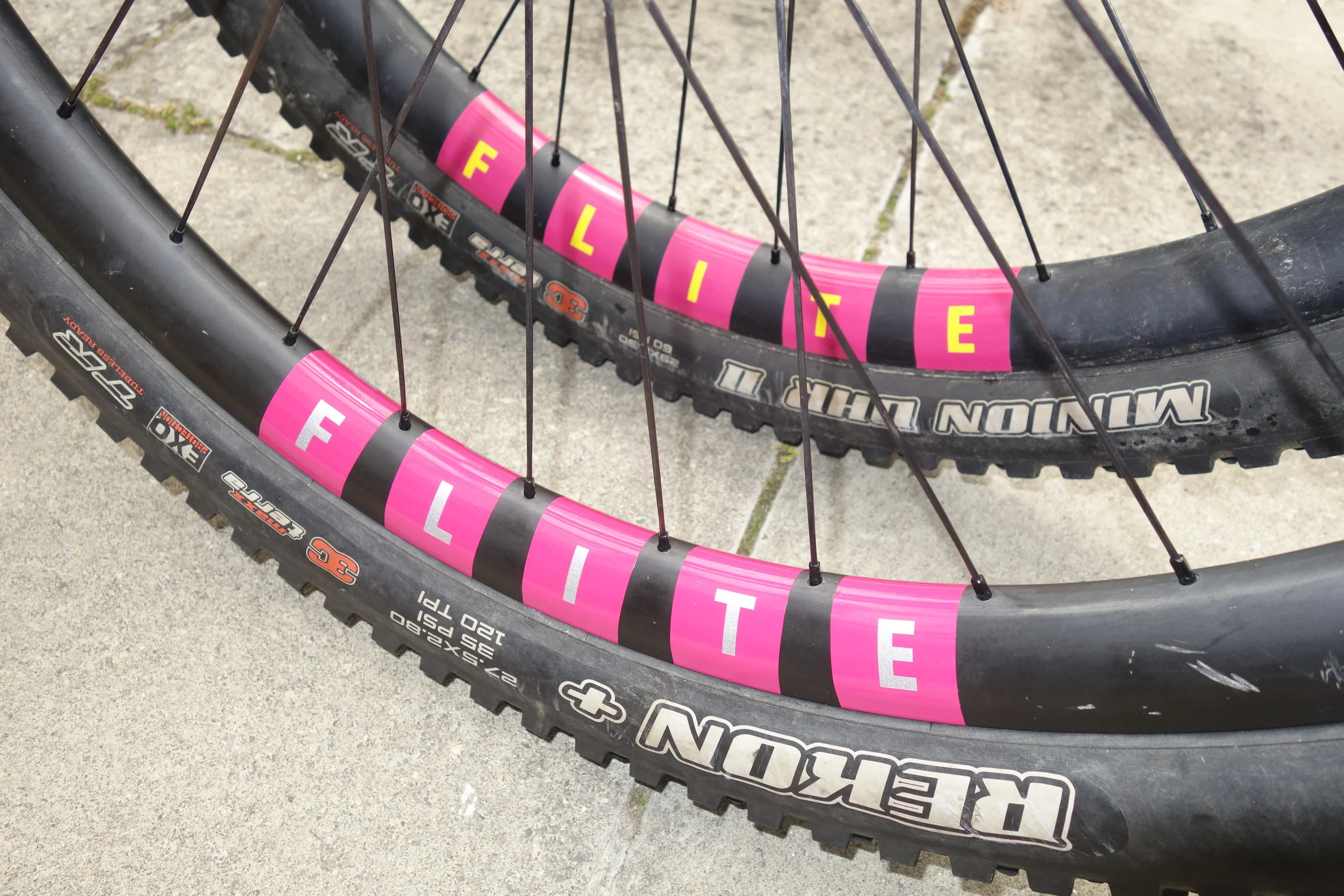
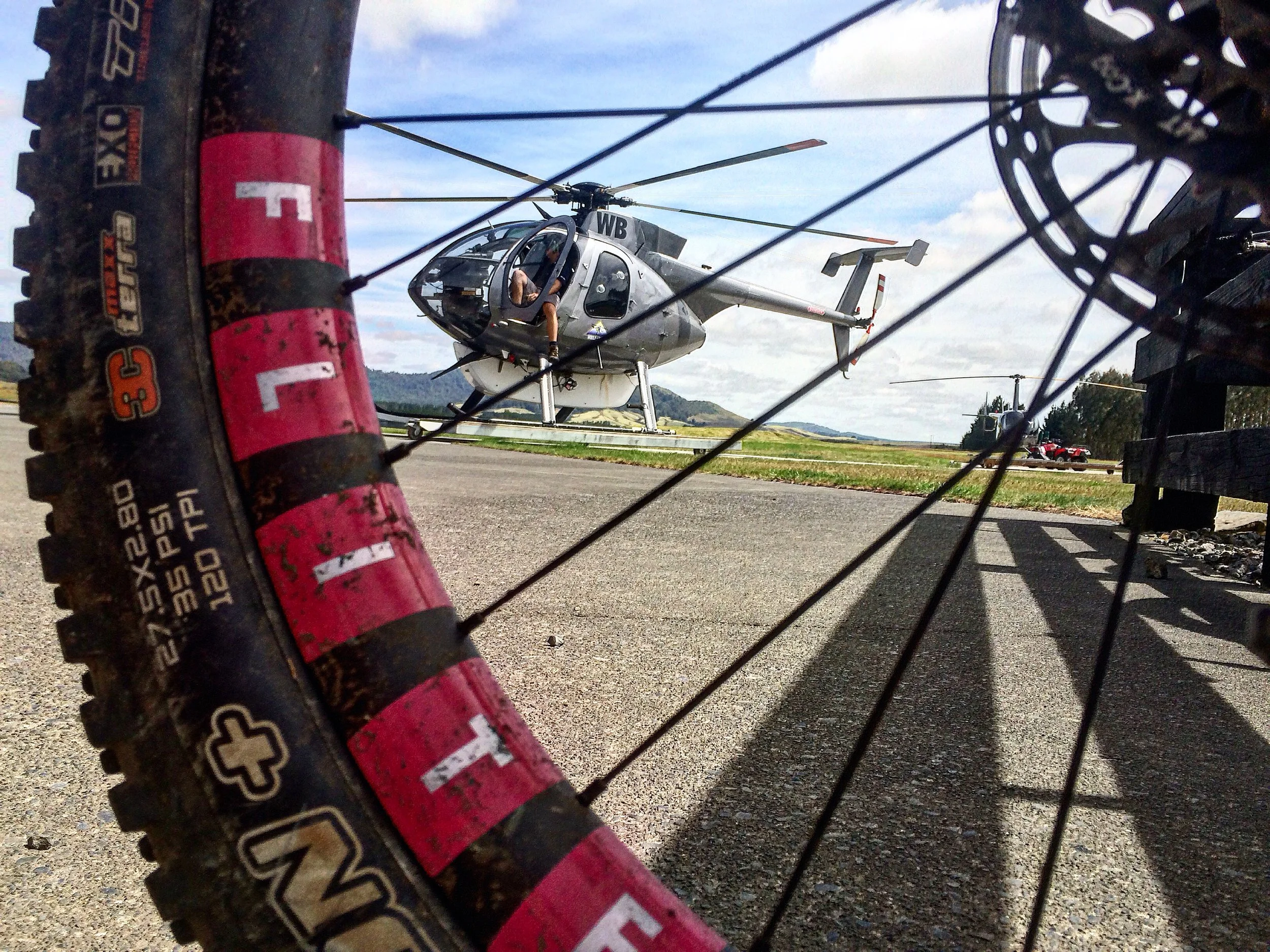
I have have been riding Wheelworks wheels for more than a decade. My recommendation is not based on a single test ride or a glossy product claim. It comes from years of riding, working on bikes, testing different setups and dealing with the problems that can make a wheelset frustrating: loose spokes, damaged rims, flex, poor tension and tyres rubbing the frame. For me, Wheelworks wheels have earned their place because they combine a distinctive ride feel with the reliability I need from a mountain bike.
The recommendation comes from long-term use
My first set of Wheelworks wheels was built around 2014. At the time, I had already broken plenty of wheels and dealt with the usual wheel-related problems. I was also interested in trying carbon, partly because the wheels looked good and partly because I wanted to understand whether the ride was genuinely different.
The difference became clear to me. The wheels stayed straight, needed very little attention and changed how the bike felt on the trail. That long-term experience is the reason I still recommend Wheelworks today.
Around the same time I starting working with Spoke magazine testing bikes. To compare different bikes fairly, my approach was to often install the same set of my Wheelworks carbon wheels on each one. That gave me a consistent reference point and made it easier to separate the way the bike itself rode from the effect of the wheels and tyres.
What does vertical compliance mean?
The quality I noticed the most on good wheels is vertical compliance.
In simple terms, a compliant wheel can absorb some of the sharp, high-frequency impacts that come from rough trail surfaces. The wheel is not meant to flex sideways or feel vague in corners. The aim is controlled movement in the vertical direction, which can take some of the sting out of trail chatter.
On the right bike, with the right tyre and suspension setup, that can make the ride feel smoother, calmer and more controlled. The bike may track the ground more naturally, and the rider may feel less beaten up after a long ride.
That said, a new set of wheels is not some magic upgrade. Tyre casing, tyre pressure, suspension condition and suspension settings all matter as well. A good wheel cannot compensate for a badly chosen tyre or five psi too much pressure. However, when the rest of the bike is working properly, the ride quality of a good carbon wheel can be very noticeable.
Reliability matters more than a first impression
A wheel can feel fast and impressive on its first ride, then become a maintenance problem. I have had the opposite experience with Wheelworks wheels. They have remained straight and held their tension with very little ongoing adjustment.
That matters particularly on an e-bike. E-bikes are heavier, carry more speed into impacts and put greater loads through wheels, tyres and spokes. A wheel that stays true and holds its tubeless seal is worth more than one that only feels good for a few rides.
I also like the way Wheelworks approaches a custom wheel build. Rim width, spoke choice, hub and build can be selected for the rider, the bike and the kind of riding involved. Also, Wheelworks’ wider mountain-bike rims can also help support modern tyres and reduce the likelihood of pinch or snake-bite punctures when pressures are set appropriately.
While no wheel is indestructible, and no manufacturer can remove the need for sensible tyre pressure and regular checks, a well-built wheel should not constantly demand attention.
Carbon versus alloy wheels
I should say though that I do not think carbon is automatically the right choice for every rider.
Why choose carbon?
Carbon wheels can offer a smoother, more refined ride. I find that they absorb more of the high-speed frequencies that make rough trails feel harsh. A good carbon rim can also be tuned through its shape and layup to produce a particular balance of stiffness and compliance.
For riders who spend a lot of time on rough trails, value ride feel and want the bike to feel composed at speed, carbon can be a worthwhile upgrade. It can also be a good choice for someone who has already addressed the more basic improvements, such as tyres, tyre pressure, suspension setup and rider position.
The disadvantages are cost and failure mode. Carbon wheels are significantly more expensive, and a severe impact can cause a serious failure rather than a simple dent. A damaged alloy rim can often be inspected, straightened or replaced at a lower cost. Carbon damage requires more careful assessment and may mean replacing the rim or wheel.
Why choose alloy?
Alloy wheels are often the best-value option. Modern alloy rims are strong, predictable and much better than many older riders remember. They cost less, are easier to service and are generally more forgiving when a hard impact damages the rim.
For many riders, a quality alloy wheelset combined with the correct tyre and suspension setup will deliver an excellent result. The money saved may be better spent on fresh tyres, a suspension service, a dropper post, or a professional bike setup.
My view is that carbon offers a particular ride quality, while alloy offers practicality and value. The right answer depends on the rider, the terrain, the bike, the budget and how much the rider values the difference in feel.
Why Wheelworks specifically?
I recommend Wheelworks because the wheels have performed consistently over many years, but I also love the way that the wheels are designed and built. Wheelworks builds custom wheels in Wellington, with the component choices matched to the intended use. The build process is designed to produce even spoke tension and a wheel that remains stable under load. Wheelworks also carries out laboratory and real-world testing, rather than relying only on a catalogue specification.
The rodfather’s bottom line
A great set of wheels are not a substitute for good bike setup. The biggest improvements often come from the contact points between the rider and the trail: tyres, tyre pressure, suspension, handlebar position, grips, pedals and saddle.
Once those basics are right, better wheels can make a meaningful difference. I recommend Wheelworks because my over the years I have had multiple sets of Wheelworks wheels that have delivered the combination I want: a smoother ride, useful vertical compliance, reliable handling and very little maintenance over many years.
Worth saying that I would not choose a wheel based only on whether it is carbon or alloy. You should think about how the bike is going to be ridden, what tyres are being used, what pressures are appropriate, how much the rider weighs, and whether the priority is comfort, strength, value or low maintenance. The good news is, Wheelworks provides alloy options too.
If carbon is within the budget and ride quality is the priority, I believe Wheelworks carbon wheels are an excellent option. If value, repairability and practicality matter more, a well-specified Wheelworks alloy wheelset may be the better choice.
The best wheel is not the most expensive one. It is the one that suits the rider and makes the bike work better.
Quick answers
Are carbon wheels better than alloy wheels?
Not for every rider. Carbon can offer a smoother ride and better high-frequency impact absorption, while alloy is less expensive, easier to repair and usually better value.
Do carbon wheels make a mountain bike smoother?
They can reduce some trail chatter, but the result also depends on tyres, tyre pressure, suspension and rider position.
Why does the Rodfather recommend Wheelworks?
I have ridden Wheelworks wheels for more than a decade and I value their ride quality, vertical compliance, reliability and low maintenance.
Are Wheelworks wheels good for e-bikes?
They can be, when the wheelset is specified for the e-bike’s weight, the rider and the intended terrain.
Should I buy carbon or alloy wheels?
Choose carbon if ride feel is the priority and the budget allows it. Choose alloy if value, practical repairability and lower replacement cost matter more.
What should I improve before buying new wheels?
Check the tyres, tyre pressure, suspension condition and bike setup first. Those changes often deliver the biggest improvement for the money.